
Gaming
The Best Online Games in the World – Gaming Industry

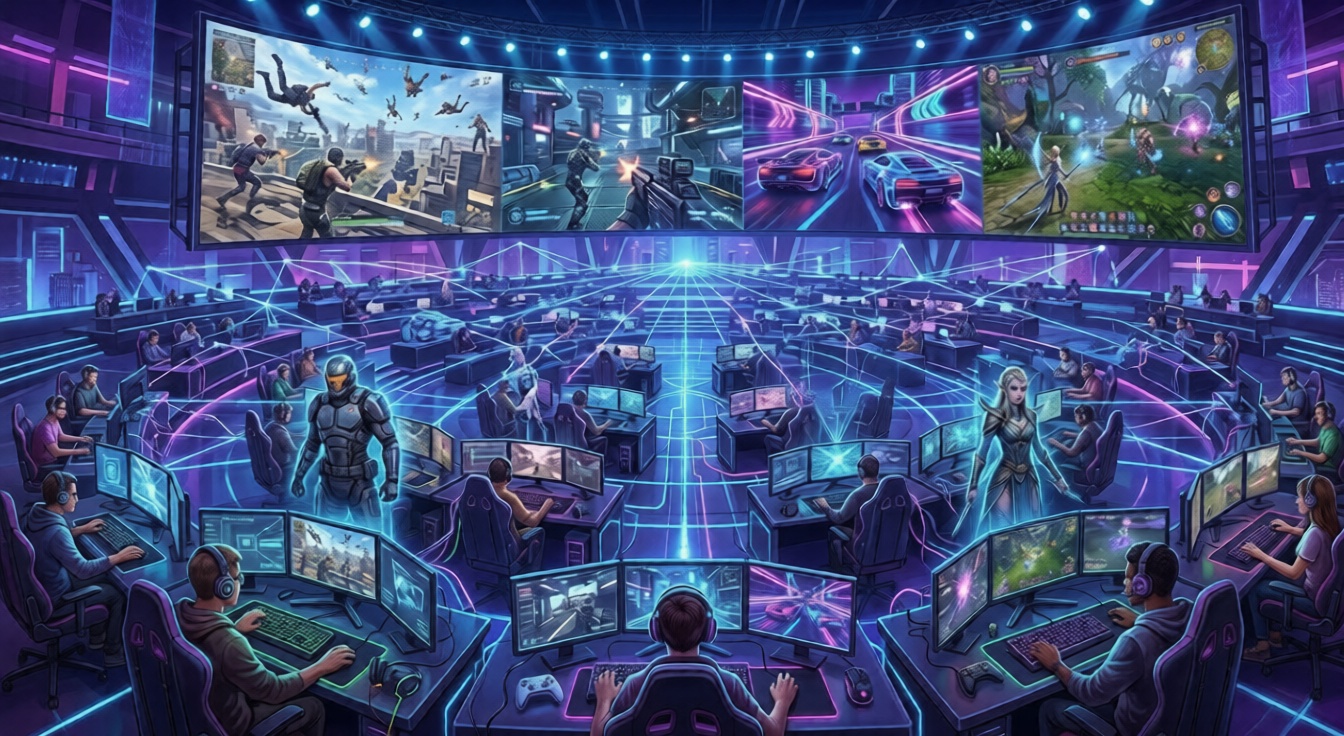
The gaming industry has transformed dramatically over the past two decades. What began as simple single-player experiences has evolved into a massive global ecosystem where millions of players compete, cooperate, and socialize online. Today, online gaming is one of the most influential sectors in entertainment, generating billions of dollars annually and shaping digital culture worldwide.
From competitive esports arenas to immersive open-world adventures, the best online games attract players of all ages and skill levels. These games offer engaging gameplay, community interaction, and constant updates that keep players returning for new experiences.
The Rise of Online Gaming
Online gaming began gaining momentum in the late 1990s and early 2000s as internet connectivity became more accessible. Early multiplayer titles allowed players to connect with friends or strangers through local networks or online servers. As broadband internet spread globally, developers began designing games specifically for online environments.
Today, online gaming exists across multiple platforms including PC, consoles, and mobile devices. Cloud gaming and cross-platform compatibility have further expanded the reach of online games, allowing players to compete regardless of the device they use.
Several factors contributed to the rise of online gaming:
-
Faster internet speeds
-
Improved gaming hardware
-
Social media integration
-
Global esports competitions
-
Free-to-play business models
These developments have made online gaming more accessible and appealing to millions of people around the world.
Characteristics of the Best Online Games
Not every online game becomes globally popular. The best online games usually share several important qualities that make them stand out in a crowded market.
1. Engaging Gameplay Mechanics
Great online games provide mechanics that are easy to learn but difficult to master. Whether players are battling opponents, solving puzzles, or exploring worlds, the gameplay remains exciting and rewarding.
2. Strong Community Interaction
Online games thrive when players feel part of a community. Features such as voice chat, clans, guilds, and cooperative missions encourage players to work together and build friendships.
3. Regular Updates and New Content
Successful games continuously evolve. Developers release updates, new maps, characters, and seasonal events to keep the experience fresh and engaging.
4. Competitive Elements
Many popular online games include ranked systems or tournaments that allow players to test their skills against others worldwide.
5. Accessibility Across Platforms
Cross-platform gaming enables players on different devices to play together, expanding the player base and increasing the longevity of the game.
Popular Genres in Online Gaming
The diversity of online games is one of the main reasons for the industry’s continued growth. Different genres cater to different types of players and gaming styles.
Battle Royale Games
Battle royale games place dozens or even hundreds of players in a large arena where they compete until only one player or team remains. These games emphasize survival, strategy, and fast reflexes.
Multiplayer Online Battle Arena (MOBA)
MOBA games involve two teams competing to destroy the opponent’s base while defending their own. Players control unique characters with special abilities and must work together strategically to win.
First-Person Shooters (FPS)
FPS games focus on gunplay and fast action from a first-person perspective. Many online FPS games include team-based matches, ranked modes, and global tournaments.
Massively Multiplayer Online Role-Playing Games (MMORPG)
MMORPGs allow thousands of players to exist in the same virtual world simultaneously. Players create characters, complete quests, explore vast landscapes, and interact with other players.
Online Sports and Racing Games
Sports and racing titles bring realistic simulations of real-world competitions into online environments, allowing players to challenge others in matches and tournaments.
The Impact of Esports
Esports has become a major component of the online gaming industry. Professional players compete in tournaments with massive prize pools while millions of fans watch live streams and broadcasts.
Major esports events now fill large stadiums and attract viewers comparable to traditional sports. Competitive gaming has created new career opportunities including professional players, coaches, analysts, and content creators.
Streaming platforms and video content have also helped esports reach global audiences. Fans can follow their favorite teams and players, watch tutorials, and engage with gaming communities in real time.
The Role of Mobile Gaming
Mobile gaming has significantly expanded the reach of online games. Smartphones allow players to participate in multiplayer experiences anywhere, making gaming more convenient and accessible.
Many mobile games use simple controls and short match durations, which make them ideal for casual players. However, mobile gaming has also entered the competitive scene with tournaments and large player bases worldwide.
The growth of mobile gaming has introduced millions of new players to the online gaming ecosystem.
Social Benefits of Online Gaming
Although gaming is often viewed purely as entertainment, it also offers several social and cognitive benefits.
Online games encourage teamwork, communication, and problem-solving. Players must collaborate with teammates, develop strategies, and make quick decisions under pressure.
For many people, online gaming communities provide a space to connect with others who share similar interests. Friendships formed through gaming often extend beyond the virtual world.
Additionally, gaming can improve hand-eye coordination, reaction time, and strategic thinking.
Challenges Facing the Gaming Industry
Despite its rapid growth, the gaming industry also faces several challenges.
Online Toxicity
Competitive environments can sometimes lead to negative behavior among players. Developers continue to implement moderation systems and community guidelines to reduce harassment.
Gaming Addiction
Excessive gaming can impact physical health, sleep patterns, and productivity. Responsible gaming habits and parental controls help address these concerns.
Security and Data Privacy
With millions of online players, gaming platforms must ensure strong security measures to protect user data and prevent cheating.
The Future of Online Gaming
The future of online gaming looks incredibly promising. Emerging technologies such as virtual reality, augmented reality, and cloud gaming are expected to reshape the gaming experience.
Artificial intelligence will also play a larger role in game development, improving non-player characters, matchmaking systems, and personalized gaming experiences.
Cross-platform ecosystems will continue to grow, enabling seamless gaming across devices. As internet infrastructure improves globally, more players will gain access to high-quality online gaming experiences.
Conclusion
Online gaming has become one of the most powerful forces in modern entertainment. With innovative gameplay, global communities, and competitive esports scenes, the best online games continue to captivate millions of players around the world.


Job Opportunities in Dubai – 2026

Mr Bit at the SBC Awards Europe 2025: The Bulgarian Brand Setting New Standards in the European Gaming Industry

Dennis Rodman Net Worth 2026 – Everything You Need to Know

Katt Williams Net Worth 2026 and Everything You Need to Know

Bloxburg Neighborhood Codes 2026
Bloxburg Neighborhood Codes 2026
Job Opportunities in Dubai – 2026
Dennis Rodman Net Worth 2026 – Everything You Need to Know